Common Causes of Hair Loss and How to Fix Them
Hair loss is a common concern that affects millions of people worldwide. Whether it’s gradual thinning, excessive shedding, or sudden bald patches, hair loss can be distressing. Understanding the causes behind hair loss is the first step to finding the right solution.
In this article, we’ll explore the most common causes of hair loss and effective ways to fix them.
1. Genetic Hair Loss (Androgenetic Alopecia)
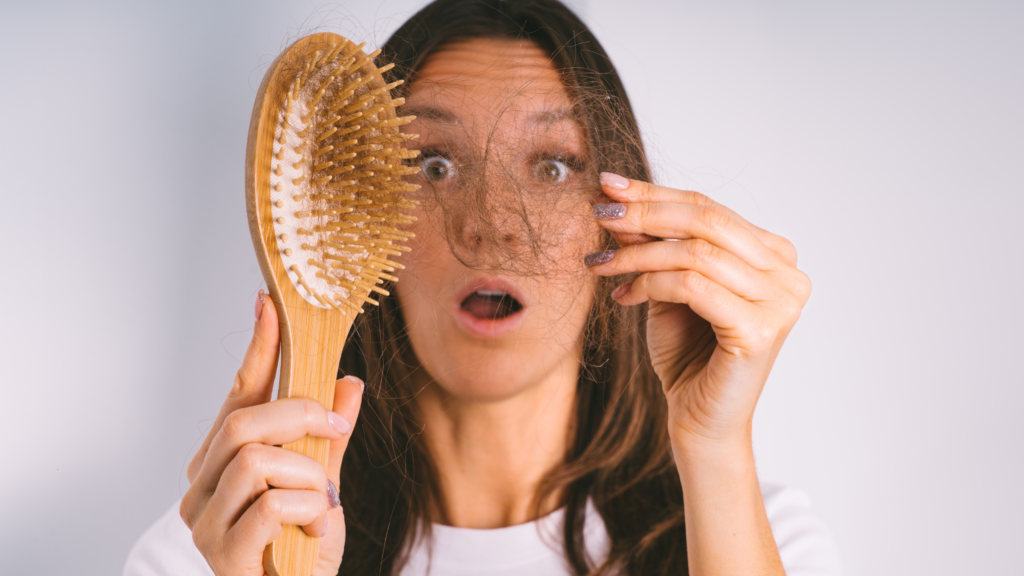
Genetic hair loss, also known as androgenetic alopecia or pattern baldness, is the most common cause of hair thinning in both men and women. It occurs due to a genetic sensitivity to dihydrotestosterone (DHT), which shrinks hair follicles over time.
Fix:
- Use FDA-approved treatments like minoxidil (Rogaine) or finasteride (Propecia) (for men) to slow hair loss.
- Consider low-level laser therapy (LLLT) to stimulate hair growth.
- Hair transplant surgery is an option for severe cases.
2. Hormonal Imbalances
Hormonal fluctuations can lead to hair thinning and excessive shedding. Common causes include pregnancy, menopause, thyroid disorders, and polycystic ovary syndrome (PCOS).
Fix:
- See a doctor to check for hormonal imbalances.
- Manage conditions like hypothyroidism or PCOS with medical treatments.
- Maintain a balanced diet rich in vitamins and minerals that support hair health.
3. Nutritional Deficiencies
A lack of essential nutrients such as iron, biotin, zinc, and protein can weaken hair and cause excessive shedding.
Fix:
- Eat a balanced diet with lean proteins, leafy greens, nuts, and whole grains.
- Take hair-friendly supplements like biotin, iron, and omega-3 fatty acids if necessary.
- Stay hydrated to support overall hair and scalp health.
4. Stress and Emotional Trauma
Severe stress can lead to a condition called telogen effluvium, where a large number of hair follicles enter the resting phase, resulting in increased shedding.
Fix:
- Manage stress through meditation, exercise, and relaxation techniques.
- Ensure proper sleep and avoid excessive caffeine and alcohol consumption.
- Consider speaking to a therapist if stress is severe and persistent.
5. Overstyling and Heat Damage
Excessive use of heat styling tools, tight hairstyles, and harsh chemical treatments can weaken hair and lead to breakage and traction alopecia.
Fix:
- Reduce the use of heat styling tools and always apply a heat protectant before using them.
- Avoid tight hairstyles like ponytails and braids that pull on the scalp.
- Opt for gentle, sulfate-free shampoos and nourishing hair masks.
6. Scalp Conditions (Dandruff, Psoriasis, Fungal Infections)
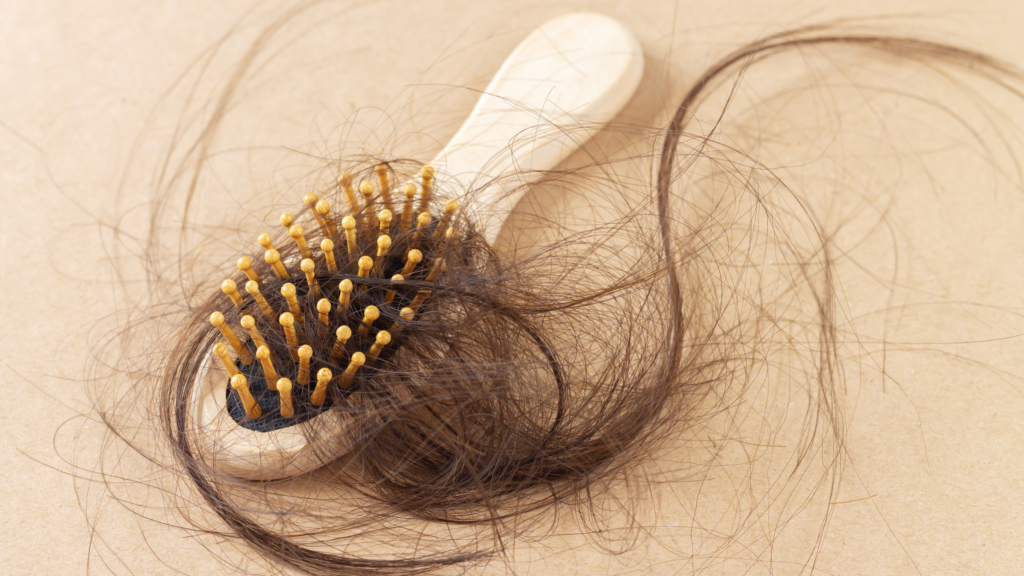
A diseased or unhealthy scalp can hinder hair growth and lead to excessive shedding. Conditions like dandruff, psoriasis, or fungal infections can block hair follicles and cause irritation.
Fix:
- Use medicated shampoos with ingredients like ketoconazole, salicylic acid, or tea tree oil.
- Keep the scalp clean by washing hair regularly with mild, sulfate-free shampoos.
- Consult a dermatologist if the issue persists.
7. Autoimmune Diseases (Alopecia Areata, Lupus)
Alopecia areata and other autoimmune diseases cause the immune system to attack hair follicles, leading to sudden hair loss in patches.
Fix:
- Consult a dermatologist for treatment options such as steroid injections, topical immunotherapy, or minoxidil.
- Manage overall health with a balanced diet, proper rest, and stress management.
8. Medications and Medical Treatments
Certain medications, including chemotherapy drugs, blood pressure medications, and antidepressants, can cause hair loss as a side effect.
Fix:
- Speak with your doctor about alternative medications if hair loss is severe.
- Use scalp cooling caps during chemotherapy to reduce hair loss.
- Maintain a nutrient-rich diet to support regrowth after treatment.
9. Poor Hair Care Practices
Using the wrong hair products, washing hair too frequently, or neglecting scalp health can lead to excessive shedding and weakened hair strands.
Fix:
- Use a gentle shampoo and conditioner that suits your hair type.
- Limit hair washing to 2-3 times per week to avoid stripping natural oils.
- Massage your scalp regularly to stimulate blood circulation and promote hair growth.
10. Rapid Weight Loss or Crash Dieting
Extreme dieting or sudden weight loss can shock the body, causing temporary hair loss due to nutrient deficiencies.
Fix:
- Avoid crash diets and focus on gradual, healthy weight loss.
- Ensure your diet includes adequate protein, iron, and vitamins to support hair growth.
- Take a multivitamin supplement if necessary.
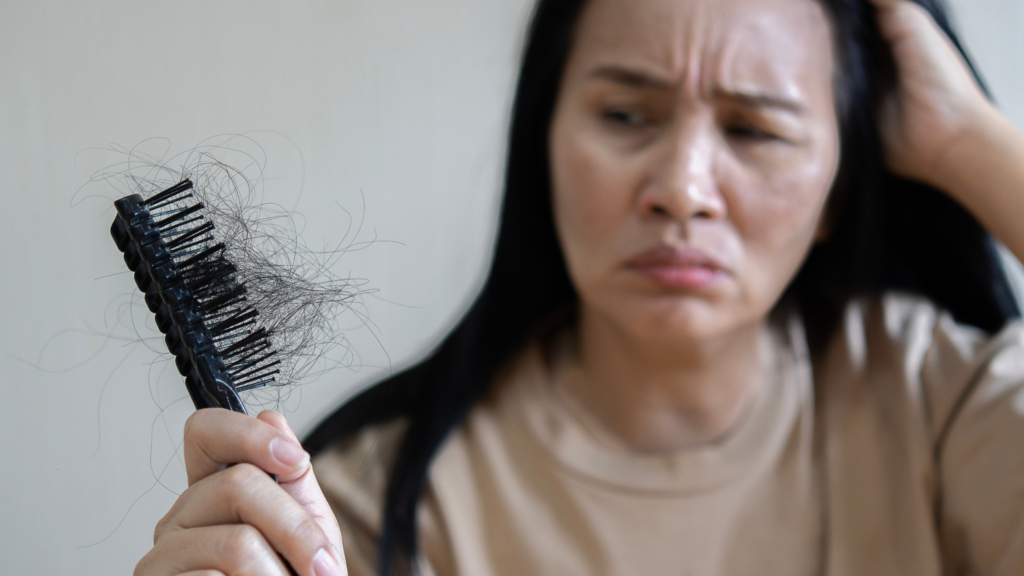
Hair loss can be distressing, but identifying the root cause is key to finding the right solution. Whether it’s genetics, hormonal imbalances, stress, or poor hair care habits, there are effective ways to combat hair loss and promote healthy regrowth.
By adopting the right treatments, maintaining a healthy lifestyle, and caring for your scalp, you can restore your hair’s vitality and strength over time.