Home Remedies for Lice Infection: Natural Solutions to Banish the Bugs
Dealing with a lice infection can be an itchy and frustrating experience, especially when over-the-counter treatments don’t seem to do the trick. But fear not! There are plenty of effective home remedies that can help you get rid of these pesky critters without resorting to harsh chemicals. In this article, we’ll explore some tried-and-true methods for lice removal that are safe, natural, and easy to follow.
Understanding the Lice Problem
Before we delve into the remedies, let’s understand the basics of a lice infection. Lice are tiny, wingless insects that infest the scalp, causing intense itching. They are highly contagious and can spread easily from person to person, particularly in close-quarters situations like schools or households.
Identifying the Symptoms
How do you know if you have a lice problem? Look out for these common symptoms:
1. Persistent Itching
The most noticeable symptom is the relentless itching of the scalp, neck, and ears.
2. Small, White Eggs
Lice lay tiny, oval-shaped eggs, often referred to as nits, which attach to the hair shafts close to the scalp.
3. Red Bumps and Sores
Scratching the itchy areas can lead to red bumps and sores on the scalp and neck.
4. Visible Lice
In some cases, you may be able to spot adult lice crawling on the scalp.
Natural Home Remedies
1. Olive Oil Treatment (H1)
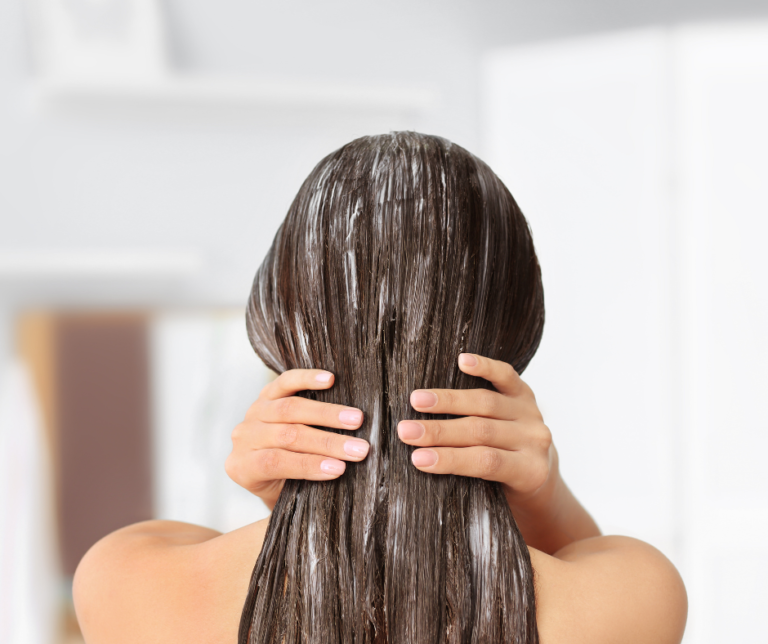
One of the most effective remedies for lice is suffocating them with olive oil. Coat the hair and scalp with olive oil, cover it with a shower cap, and leave it overnight. Wash your hair in the morning to remove the dead lice and nits.
2. Tea Tree Oil Solution (H1)
Tea tree oil is known for its powerful antiseptic properties. Mix a few drops with your shampoo and use it regularly to keep lice at bay.
3. Apple Cider Vinegar Rinse (H2)
Apple cider vinegar can help dissolve the glue that holds nits to the hair shafts. Mix equal parts vinegar and water, apply it to the hair, and leave it for a few hours before washing.
4. Mayonnaise Method (H2)
Cover your hair and scalp with mayonnaise, put on a shower cap, and leave it for several hours. This smothers the lice and makes it easier to comb them out.
5. Neem Oil Treatment (H3)
Neem oil has natural insecticidal properties. Apply neem oil to your hair and scalp, leave it for an hour, and then wash it out.
6. Salt and Vinegar Paste (H3)
Create a paste by mixing salt and vinegar and apply it to the scalp. Leave it for a few hours before washing to kill lice and nits.
7. Essential Oil Blend (H4)
Combine essential oils like lavender, eucalyptus, and rosemary with a carrier oil and apply to your hair. This fragrant mixture helps repel lice and keep them from coming back.
Preventative Measures
1. Regularly Check for Lice (H2)
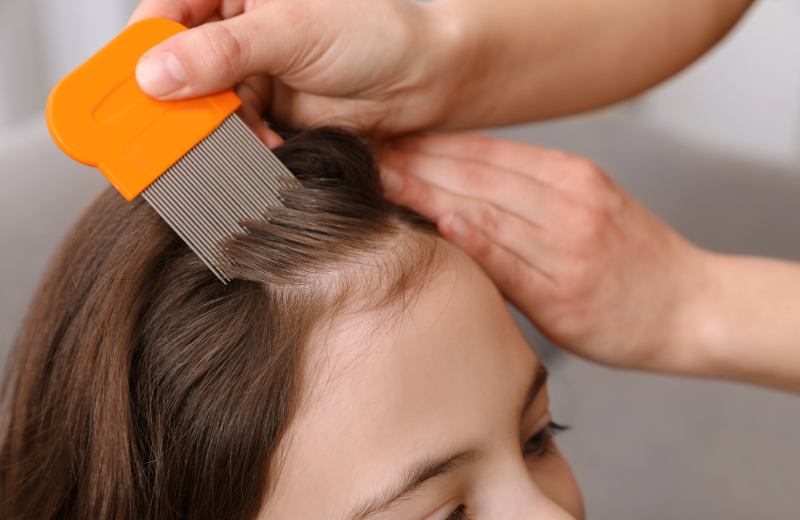
Frequent head checks can help catch lice infestations early and prevent them from spreading.
2. Avoid Sharing Personal Items (H2)
Lice can spread through shared items like combs, hats, and headphones, so it’s crucial to avoid sharing these.
Conclusion
Dealing with a lice infection can be both annoying and embarrassing, but you don’t have to resort to harsh chemicals. These natural home remedies can help you get rid of lice effectively and safely. Remember to be persistent, as lice can be stubborn. By following these remedies and preventive measures, you can banish lice and enjoy an itch-free life.
FAQs
- How long should I leave olive oil in my hair to kill lice and nits? Leaving it on overnight is recommended for the best results.
- Can I use these remedies on children? Most of these remedies are safe for children, but always check with a pediatrician first.
- Do lice prefer dirty hair? No, lice can infest clean hair just as easily as dirty hair.
- Are over-the-counter lice treatments effective? They can be, but lice have developed resistance to some chemical treatments.
- How often should I perform preventive head checks? It’s a good practice to check your family’s heads once a week, especially during lice outbreaks in your community.
Remember, while these remedies are effective, they require patience and diligence. If your lice problem persists, consult a healthcare professional for further guidance.