How Often Should I Moisturize My Curly Hair?
If you have curly hair, you know how difficult it can be to keep it looking healthy and hydrated. Curly hair is naturally dry, which means that it needs more moisture than straight hair. In this article, we will explore the importance of moisturizing curly hair and how often you should do it to keep your curls looking their best.
Why is Moisturizing Curly Hair Important?
Curly hair tends to be drier than straight hair because the natural oils produced by the scalp have a harder time traveling down the hair shaft due to its shape. This lack of moisture can lead to frizz, breakage, and dull-looking curls. Moisturizing your curly hair regularly can help prevent these issues and keep your hair looking healthy and bouncy.
What Happens When You Don’t Moisturize Curly Hair?
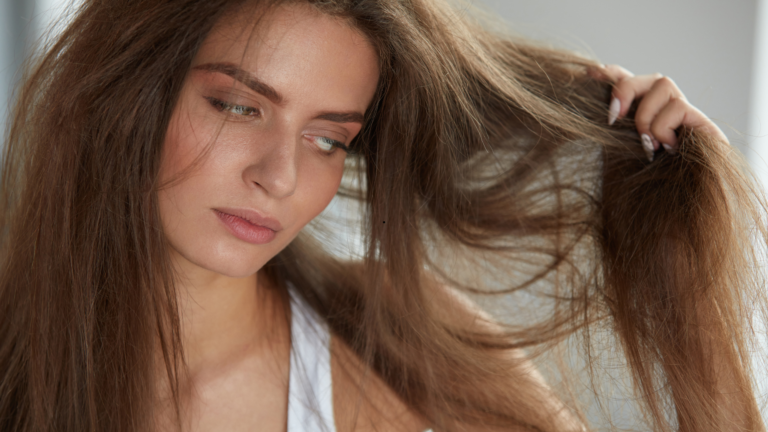
When you don’t moisturize your curly hair, it can become dry, brittle, and prone to breakage. Dry hair is also more likely to develop split ends and frizz, which can make your curls look less defined and less healthy.
How Often Should You Moisturize Curly Hair?
The frequency with which you should moisturize your curly hair will depend on your hair type, texture, and porosity. As a general rule, it is recommended that you moisturize your hair every two to three days. However, you should adjust this frequency based on how your hair feels and looks.
How to Determine Your Hair Type, Texture, and Porosity
Determining your hair type, texture, and porosity can help you figure out how often you need to moisturize your curly hair. Here are some guidelines to help you:
Hair Type
- Type 2 (wavy): tends to be finer and requires less moisture than other hair types
- Type 3 (curly): requires more moisture than wavy hair but less than coily hair
- Type 4 (coily): requires the most moisture due to its tightly coiled structure
Hair Texture
- Fine: requires less moisture and can be easily weighed down
- Medium: requires moderate moisture and is the most common hair texture
- Coarse: requires more moisture and is prone to frizz and dryness
Hair Porosity
- Low porosity: requires less moisture and can be resistant to absorbing products
- Medium porosity: requires moderate moisture and is easy to maintain
- High porosity: requires more moisture and is prone to frizz and dryness
Signs That You Need to Moisturize Your Curly Hair
Here are some signs that your curly hair needs more moisture:
- Your curls look dry and frizzy
- Your hair feels rough and brittle
- Your curls have lost their bounce and definition
- Your hair is prone to tangling and breakage
If you notice any of these signs, it’s time to add more moisture to your hair care routine.
How to Moisturize Curly Hair
Now that you know how often you should moisturize your curly hair, let’s look at some tips for doing it effectively:
Use a Moisturizing Shampoo and Conditioner
Choose a shampoo and conditioner that are specifically formulated for curly hair and contain moisturizing ingredients like shea butter, coconut oil, and glycerin.
Deep Condition Your Hair Regularly
Deep conditioning your hair once a week can help replenish lost moisture and keep your curls looking their best.
Use a Leave-In Conditioner
A leave-in conditioner can help lock in moisture and protect your curls from environmental stressors like humidity and heat.
Apply a Moisturizing Hair Oil
Using a lightweight hair oil can help seal in moisture and add shine to your curls.
Use a Satin or Silk Pillowcase
Sleeping on a satin or silk pillowcase can help prevent your hair from drying out and becoming frizzy overnight.
Limit the Use of Heat Styling Tools
Heat styling tools like flat irons and curling wands can damage your hair and make it more prone to dryness and breakage. Limit your use of these tools and always use a heat protectant spray when you do.
Avoid Over-Washing Your Hair
Washing your hair too often can strip it of its natural oils and make it more prone to dryness. Try to wash your hair no more than two or three times a week.
Protect Your Hair from the Sun
Exposure to the sun’s UV rays can damage your hair and make it more prone to dryness and breakage. Protect your hair by wearing a hat or scarf when you’re outside for extended periods.
Conclusion
Moisturizing curly hair is crucial for keeping it healthy and looking its best. The frequency with which you should moisturize your hair will depend on your hair type, texture, and porosity. Use a moisturizing shampoo and conditioner, deep condition your hair regularly, use a leave-in conditioner and hair oil, and avoid over-washing your hair. With these tips, you can keep your curly hair looking beautiful and healthy.
FAQs
- Can I moisturize my curly hair every day? It’s not necessary to moisturize your curly hair every day, as this can lead to product buildup and weigh down your curls. Instead, try to moisturize your hair every two to three days.
- Can I use regular shampoo and conditioner on my curly hair? Regular shampoo and conditioner can be too harsh for curly hair, as they can strip the hair of its natural oils. It’s best to use a shampoo and conditioner that are specifically formulated for curly hair and contain moisturizing ingredients.
- Can I use a hair mask instead of a deep conditioner? Hair masks and deep conditioners are both designed to moisturize and nourish your hair, but deep conditioners are typically more concentrated and formulated specifically for repairing damaged hair. If your curls are in need of extra hydration, a deep conditioner may be the better option.
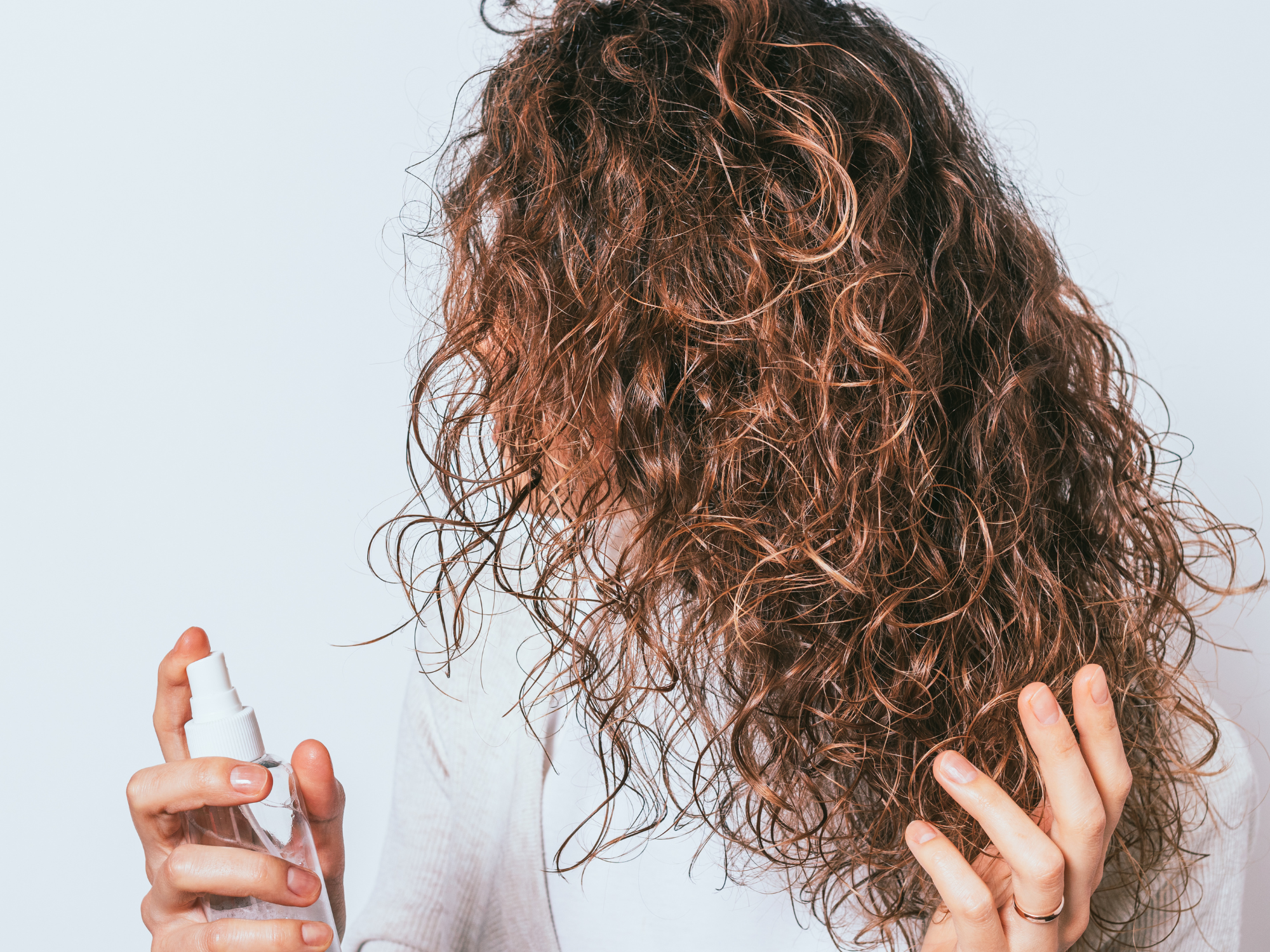
- Can I moisturize my curly hair with water? Water can be a great way to add moisture to your curly hair, especially if you have low porosity hair that is resistant to absorbing products. Spritzing your hair with water and sealing in the moisture with a hair oil or leave-in conditioner can help keep your curls hydrated and healthy.
- How do I know if my curly hair is getting enough moisture? If your curly hair looks and feels healthy, bouncy, and defined, it’s likely getting enough moisture. If your curls are dry, frizzy, and prone to breakage, it’s time to step up your moisturizing routine. Pay attention to how your hair looks and feels, and adjust your routine accordingly.