Why are my curls so dry and frizzy?
If you’re someone with naturally curly hair, you know how difficult it can be to maintain it. Dryness and frizz are common issues that people with curly hair face.
Dryness occurs when your hair doesn’t have enough moisture, which can make your curls look dull and lifeless. Frizz, on the other hand, occurs when the outermost layer of your hair (the cuticle) lifts up, causing your hair to look frizzy and untamed.
In this article, we’ll be discussing the causes of dry and frizzy hair, as well as tips and tricks to combat these issues. By the end of this article, you’ll have a better understanding of how to take care of your curly hair, so it looks healthy and bouncy.
- Lack of Moisture
One of the most common causes of dry and frizzy hair is a lack of moisture. Curly hair tends to be naturally dry because it’s more difficult for the natural oils produced by the scalp to travel down the hair shaft. Additionally, curly hair is more susceptible to environmental factors such as humidity, wind, and sun, which can further dry out your hair.
To combat dryness, it’s essential to keep your hair moisturized. Use a sulfate-free shampoo and conditioner that’s specifically formulated for curly hair. Look for products that contain ingredients such as coconut oil, shea butter, and aloe vera, which are excellent natural moisturizers. Deep conditioning treatments can also help to provide your hair with the hydration it needs.
- Over-Styling
Another common cause of dry and frizzy hair is over-styling. Curly hair is already prone to breakage, and over-styling can further damage your hair. Heat styling tools such as flat irons and curling wands can cause heat damage, which can lead to dryness and breakage.
To minimize damage from styling tools, it’s essential to use a heat protectant spray before using any hot tools. Additionally, try to limit the use of hot tools to once a week or less. When possible, air-dry your hair and embrace your natural curls.
- Environmental Factors
As previously mentioned, environmental factors such as humidity, wind, and sun can cause dryness and frizz in curly hair. When the weather is humid, moisture from the air can penetrate your hair, causing it to expand and become frizzy. Wind can also cause your hair to tangle and become dry.
To combat these issues, try wearing a hat or scarf to protect your hair from the wind and sun. Additionally, consider using an anti-frizz serum or oil to help seal in moisture and prevent frizz.
- Genetics
Genetics can also play a role in the health of your hair. If you have naturally dry hair, it’s likely that you’ve inherited this trait from your parents. Similarly, if your hair is naturally curly, it’s likely that you’ve inherited this trait as well.
While you can’t change your genetics, you can take steps to care for your hair properly. Use products that are specifically formulated for your hair type and avoid over-styling your hair. Additionally, consider taking supplements such as biotin and vitamin D, which can help to promote healthy hair growth.
- Medical Conditions
In some cases, dry and frizzy hair can be a symptom of an underlying medical condition. Conditions such as hypothyroidism and hormonal imbalances can affect the health of your hair.
- Invest in a Good Leave-In Conditioner
A leave-in conditioner can help keep your curls hydrated and nourished throughout the day. It can also act as a protectant against environmental factors that can cause dryness and frizz. When choosing a leave-in conditioner, look for one that is lightweight, moisturizing, and free of sulfates and alcohol. Apply it evenly throughout your hair, focusing on the ends and areas that tend to be drier.
- Avoid Heat Styling Tools
Heat styling tools can be damaging to your hair, especially if used frequently. They can strip away moisture from your curls, leaving them dry and frizzy. Try to limit your use of heat styling tools, and when you do use them, make sure to use a heat protectant spray or cream. Additionally, try to use the lowest heat setting possible and avoid using them on wet hair.
- Use a Diffuser
If you must use a hairdryer, use a diffuser attachment. A diffuser spreads the airflow over a wider area, which helps to prevent frizz and maintains the natural shape of your curls. It can also help to minimize heat damage by distributing heat more evenly.
- Try a Hair Mask
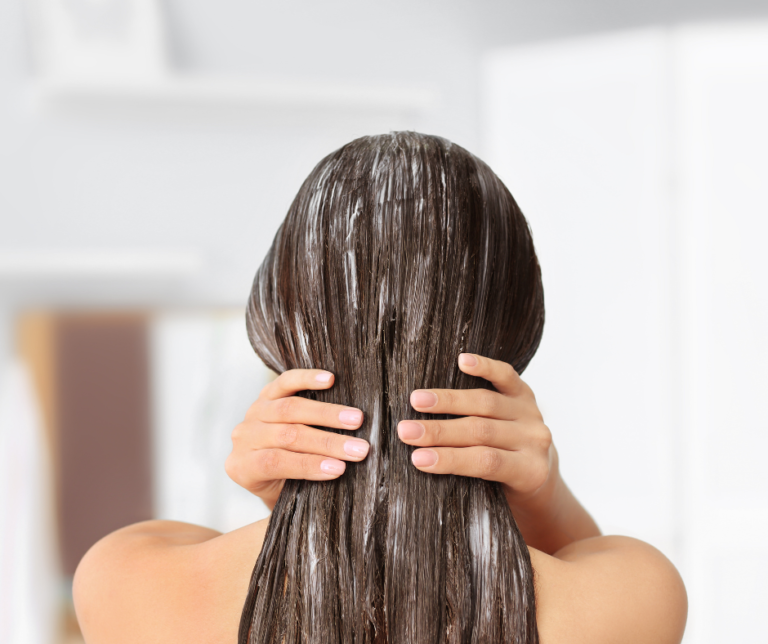
A hair mask can help to deep condition your curls, providing them with extra moisture and nourishment. You can either purchase a hair mask or make one at home using natural ingredients such as coconut oil, avocado, or honey. Apply the mask to your hair, focusing on the ends, and leave it on for 20-30 minutes before rinsing it out.
- Protect Your Hair While You Sleep
Friction from your pillowcase can cause damage to your curls while you sleep, leading to dryness and frizz. To protect your curls, consider sleeping on a satin or silk pillowcase. These materials are gentler on your hair and can help to prevent tangles and breakage.
Dry and frizzy curls can be frustrating to deal with, but by following the tips above, you can help to keep your curls hydrated, nourished, and looking their best. Remember to always use gentle products, avoid heat styling tools, and protect your hair while you sleep. With a little bit of effort and care, you can enjoy healthy, bouncy curls that turn heads wherever you go.
FAQs
Q: Can genetics cause dry and frizzy curls?
A: Yes, genetics can play a role in the texture and health of your curls.
Q: What is the best way to detangle dry, frizzy curls?
A: Use a wide-tooth comb or your fingers to gently detangle your curls, starting at the ends and working your way up.
Q: Can drinking enough water help prevent dryness and frizz?
A: Yes, staying hydrated can help to keep your curls moisturized and healthy.
Q: Can regular haircuts help to prevent dryness and frizz?
A: Yes, regular haircuts can help to keep your curls healthy by removing split ends and preventing breakage.
Q: What is the best way to style dry, frizzy curls?
A: Opt for hairstyles that embrace your curls’ natural texture, such as a wash-and-go or a curly updo. Avoid styles that require excessive heat or manipulation.