How to Transition from Relaxed to Natural Hair: A Complete Guide
Transitioning from relaxed to natural hair is a journey of self-discovery, patience, and care. Whether you’re embracing your natural texture for the first time or returning to it after years of chemical treatments, the process can feel overwhelming. But with the right knowledge, tools, and mindset, you can achieve healthy, beautiful, natural hair.
This comprehensive guide will walk you through everything you need to know about transitioning from relaxed to natural hair, including tips, techniques, and product recommendations to make the process as smooth as possible.
What Does It Mean to Transition to Natural Hair?

Transitioning to natural hair involves growing out your natural texture while gradually cutting off the chemically relaxed ends. This process allows you to avoid the “big chop” (cutting all your hair off at once) if you prefer to maintain some length during the transition.
The transition period can last anywhere from a few months to over a year, depending on your hair growth rate and how quickly you trim the relaxed ends.
Why Transition to Natural Hair?
- Healthier Hair: Chemical relaxers can weaken hair over time, leading to breakage and thinning. Going natural allows your hair to regain its strength and vitality.
- Embrace Your Natural Texture: Transitioning helps you reconnect with your natural hair texture and celebrate its uniqueness.
- Cost-Effective: Reducing the need for chemical treatments and frequent salon visits can save you money in the long run.
- Versatility: Natural hair offers endless styling options, from twist-outs and braid-outs to afros and bantu knots.
How to Start Your Transition Journey

1. Set Your Intentions
Before starting your transition, ask yourself why you want to go natural. Whether it’s for health reasons, self-expression, or curiosity, having a clear purpose will keep you motivated during challenging moments.
2. Educate Yourself
Learn about your hair type, porosity, and density. Understanding your hair’s unique needs will help you choose the right products and techniques.
3. Be Patient
Transitioning is a gradual process. Embrace the journey and celebrate small milestones, like new growth or mastering a protective style.
Transitioning Methods: Big Chop vs. Long Transition
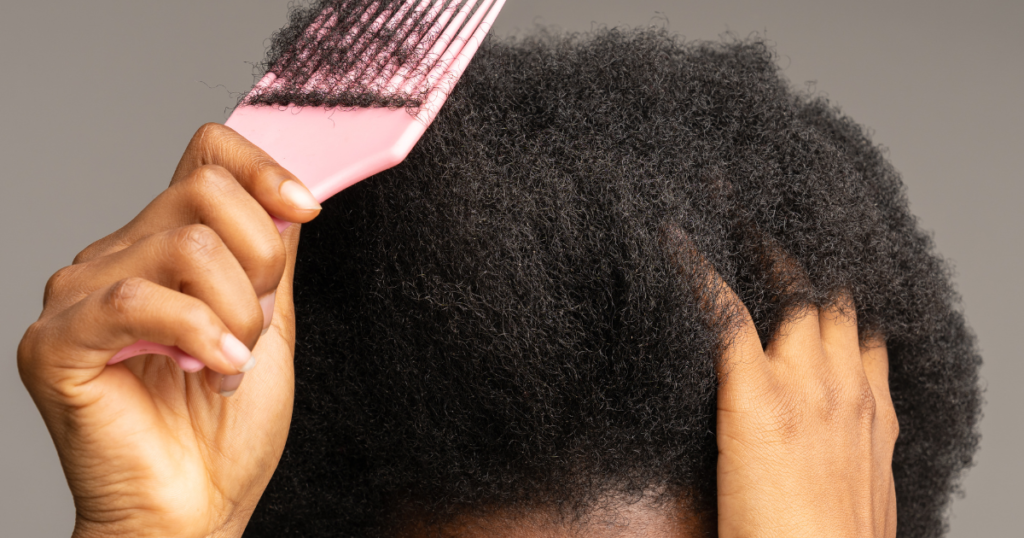
The Big Chop
- What It Is: Cutting off all your relaxed hair at once to reveal your natural texture.
- Pros: Immediate results, no need to manage two textures, and a fresh start.
- Cons: Requires confidence to rock very short hair, and styling options may be limited initially.
Long Transition
- What It Is: Gradually trimming your relaxed ends while growing out your natural hair.
- Pros: Maintains length, allows time to adjust to your natural texture, and offers more styling options.
- Cons: Requires managing two different textures, which can be challenging.
Tips for Managing Two Textures
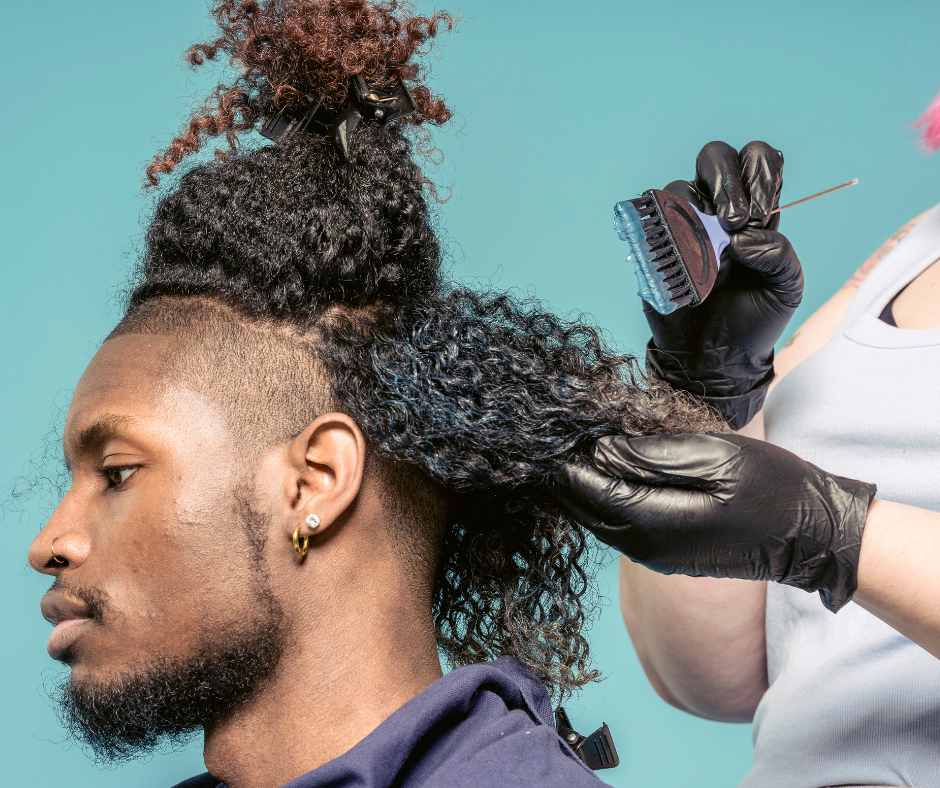
Transitioning hair means dealing with two distinct textures: your natural roots and your relaxed ends. Here’s how to manage them:
1. Moisturize Regularly
Natural hair tends to be drier than relaxed hair, so keeping it moisturized is key. Use a leave-in conditioner, hair butter, or oil to lock in moisture.
2. Detangle Gently
Use a wide-tooth comb or your fingers to detangle your hair, starting from the ends and working your way up. Always detangle on damp hair with a conditioner to minimize breakage.
3. Strengthen Your Hair
Incorporate protein treatments into your routine to strengthen your strands and prevent breakage. Look for products with keratin or amino acids.
4. Avoid Heat Styling
Heat can further damage your hair and make the transition more difficult. Embrace heat-free styles like braid-outs, twist-outs, or bantu knots.
Protective Styles for Transitioning Hair

Protective styles are a lifesaver during the transition period. They help minimize manipulation, reduce breakage, and blend the two textures seamlessly.
1. Braids and Twists
Box braids, Senegalese twists, and two-strand twists are great options for protecting your hair while showcasing your style.
2. Wigs and Weaves
Wigs and sew-ins allow you to experiment with different looks while giving your natural hair a break.
3. Bantu Knots and Twist-Outs
These styles work well for shorter hair and help define your natural curl pattern.
4. Headwraps and Turbans
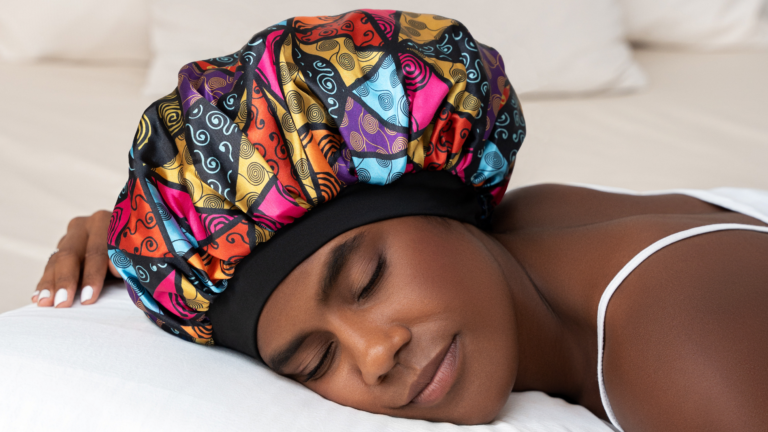
Satin turbans and headwraps are stylish, low-maintenance options that protect your hair and keep it moisturized.
Essential Products for Transitioning Hair
- Sulfate-Free Shampoo: Cleanses without stripping natural oils.
- Deep Conditioner: Provides intense moisture and nourishment.
- Leave-In Conditioner: Keeps hair hydrated throughout the day.
- Natural Oils: Use oils like coconut, jojoba, or argan to seal in moisture.
- Satin Bonnet or Pillowcase: Prevents friction and retains moisture while you sleep.
Common Challenges and How to Overcome Them
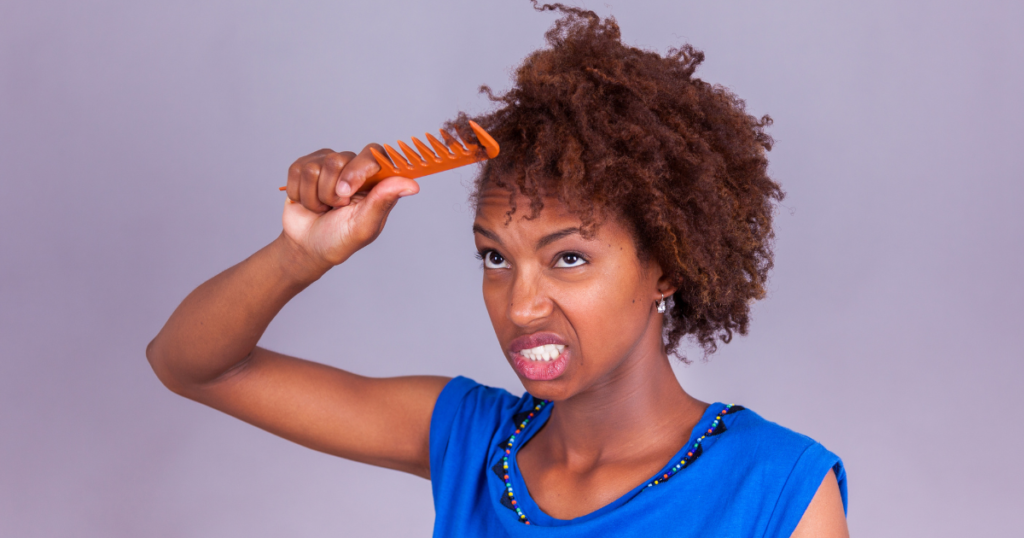
1. Breakage
- Solution: Handle your hair gently, avoid over-manipulation, and keep it moisturized.
2. Shrinkage
- Solution: Embrace shrinkage as a sign of healthy, natural hair. Use stretching techniques like banding or African threading.
3. Styling Frustration
- Solution: Experiment with different styles and find what works best for your hair. Don’t be afraid to seek inspiration from natural hair communities online.
Final Thoughts
Transitioning from relaxed to natural hair is a beautiful journey that requires patience, care, and self-love. By following these tips and embracing your natural texture, you’ll soon discover the joy of healthy, vibrant hair.
Remember, every curl, coil, and kink is a testament to your unique beauty. Celebrate your progress, and don’t be afraid to seek support from the natural-hair community.
CTA:
Ready to start your natural hair journey? Explore our collection of satin bonnets, turbans, and hair care products designed to support your transition and keep your hair healthy every step of the way. Embrace your natural beauty today!