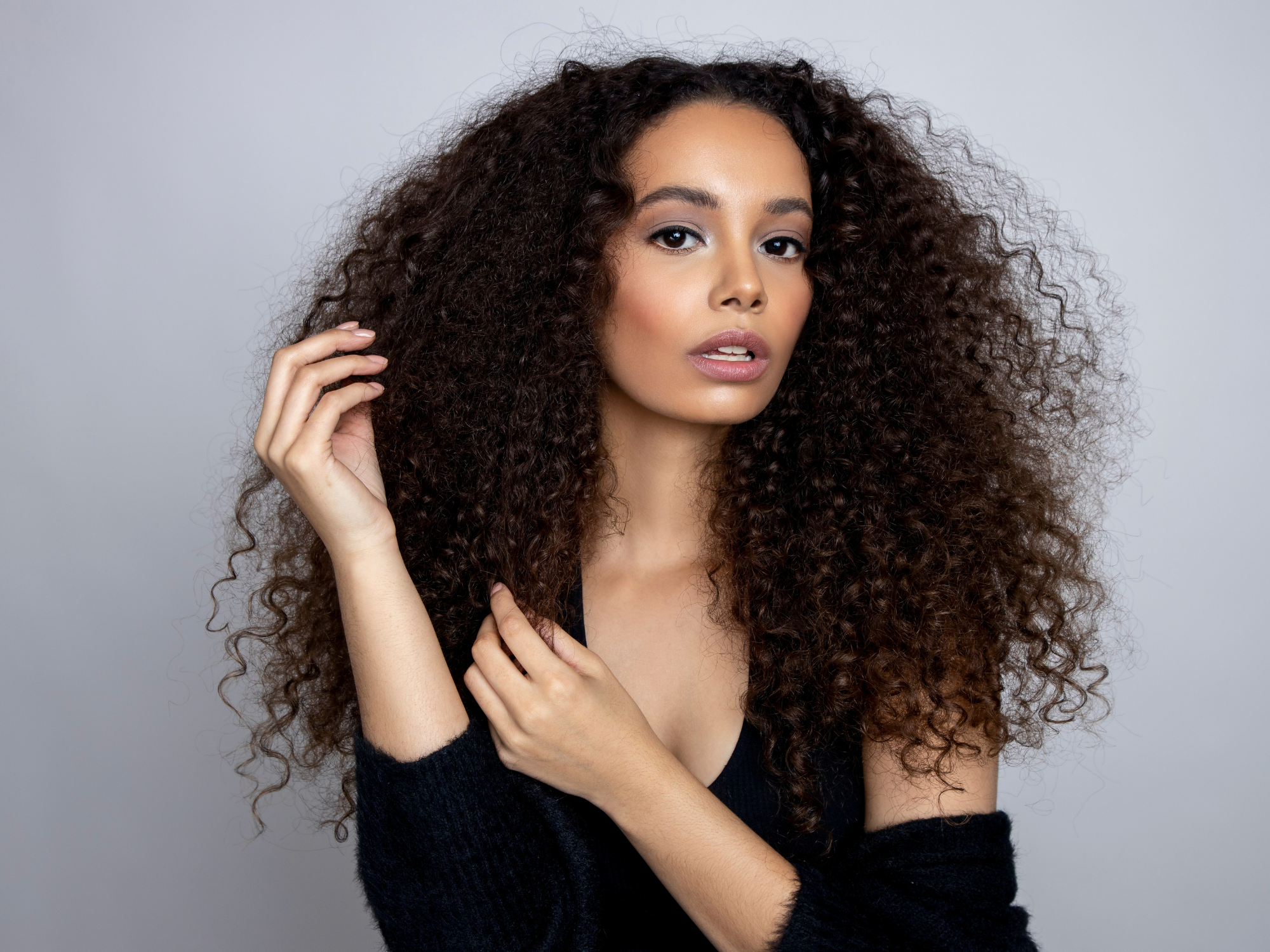
What Stimulates Curly Hair Growth: Understanding the Science Behind It
Curly hair has its own unique charm and appeal, but maintaining and promoting its growth can be challenging. Whether you’re looking to grow your curls longer, thicker, or simply healthier, understanding what stimulates curly hair growth is key.
In this article, we’ll explore the science behind curly hair growth, including the role of genetics, hormones, diet, and hair care practices. By the end of this article, you’ll have a better understanding of what you can do to promote curly hair growth and keep your curls looking their best.
Curly hair is unique in many ways, but one of the most significant is the way it grows. Understanding the science behind curly hair growth can help you make informed decisions about how to care for your curls and promote healthy growth. In this article, we’ll explore the factors that influence curly hair growth, from genetics and hormones to diet and hair care practices.
Understanding Curly Hair: Genetics and Hormones
Curly hair is determined by the shape of the hair follicle, which can be either flat or round. People with curly hair have hair follicles that are oval-shaped, causing the hair to grow in a spiral pattern. This spiral pattern is what gives curly hair its unique texture and shape.
Genetics play a significant role in determining the shape of hair follicles, which is why curly hair often runs in families. Hormones can also influence curly hair growth, as well as the texture and thickness of the hair. For example, during puberty, hormonal changes can cause the hair to become curlier or thicker.
The Role of Diet in Curly Hair Growth
The food we eat can have a significant impact on our hair growth and overall hair health. Eating a well-balanced diet that is rich in essential nutrients can help promote healthy hair growth, including curly hair.
Essential Nutrients for Curly Hair Growth
Certain nutrients are particularly important for promoting curly hair growth, including:
- Protein: Hair is made up of protein, so it’s essential to consume enough protein in your diet to support healthy hair growth. Good sources of protein include meat, fish, eggs, beans, and nuts.
- Vitamin C: Vitamin C helps to produce collagen, a protein that is essential for healthy hair growth. Foods that are high in vitamin C include citrus fruits, berries, and leafy greens.
- Biotin: Biotin is a B-vitamin that is essential for healthy hair growth. It can be found in foods like eggs, nuts, and sweet potatoes.
- Iron: Iron is necessary for healthy hair growth, as it helps to transport oxygen to the hair follicles. Good sources of iron include red meat, spinach, and lentils.
- Omega-3 fatty acids: Omega-3 fatty acids help to nourish the hair follicles and promote healthy hair growth. Good sources of omega-3s include fatty fish, flaxseed, and chia seeds.
Hair Care Practices for Curly Hair Growth
In addition to diet, hair care practices can also have a significant impact on curly hair growth. Here are some tips for promoting healthy curly hair:
- Use a gentle shampoo: Harsh shampoos can strip the hair of its natural oils, leading
- to dryness and breakage. Look for shampoos that are sulfate-free and designed for curly hair.
- Condition regularly: Curly hair tends to be dry, so it’s essential to use a good conditioner to keep it hydrated. Look for conditioners that contain moisturizing ingredients like shea butter, coconut oil, or argan oil.
- Detangle gently: Curly hair can be prone to tangles, but harsh brushing or combing can lead to breakage. Use a wide-tooth comb or your fingers to gently detangle your curls.
- Avoid heat styling: Heat styling tools like flat irons or curling wands can damage curly hair and lead to breakage. Instead, try air-drying your hair or using a diffuser attachment on your blow dryer to enhance your curls.
- Protect your hair while you sleep: Sleeping with your hair loose can lead to tangles and breakage. Try sleeping with your hair in a loose bun or braid, or use a satin or silk pillowcase to reduce friction.
Tips for Promoting Healthy Curly Hair
In addition to diet and hair care practices, there are some other things you can do to promote healthy curly hair growth, including:
- Get regular trims: Regular trims can help prevent split ends, which can lead to breakage and prevent your hair from growing longer.
- Massage your scalp: Scalp massage can help stimulate blood flow to the hair follicles, promoting healthy hair growth.
- Use a hair mask: Using a hair mask once a week can help nourish and hydrate your hair, promoting healthy growth and preventing breakage.
Common Misconceptions About Curly Hair Growth
There are many misconceptions about curly hair growth, including:
- Cutting your hair will make it grow faster: While regular trims can help prevent split ends, cutting your hair doesn’t actually make it grow faster.
- Brushing your hair will make it grow faster: Brushing your hair can actually lead to breakage and prevent healthy hair growth.
- Products can make your hair grow faster: While certain products can promote healthy hair growth, there is no magic product that can make your hair grow faster overnight.
Curly hair is unique in many ways, but understanding the science behind curly hair growth can help you care for your curls and promote healthy growth.
Genetics and hormones play a significant role in determining the shape and texture of curly hair, but diet and hair care practices can also have a significant impact.
By eating a well-balanced diet, using gentle hair care products, and incorporating healthy hair care practices, you can help promote healthy curly hair growth and keep your curls looking their best.
FAQs About curly hair growth
How often should I wash my curly hair?
It depends on your hair type and personal preferences, but many people with curly hair find that washing every 2-3 days works best.
Can stress affect curly hair growth?
Yes, stress can affect hair growth and may lead to hair loss or thinning.
Does hair color affect curly hair growth?
No, hair color doesn’t affect curly hair growth, but certain hair treatments like bleaching or coloring can damage the hair and lead to breakage.
Can medication affect curly hair growth?
Yes, certain medications can affect hair growth and may cause hair loss or thinning.
Can wearing hats or headbands cause curly hair to fall out?
No, wearing hats or headbands won’t cause hair to fall out, but it’s essential to avoid tight hairstyles that can lead to breakage.