Dandruff vs. Dry Scalp: How to Know the Difference
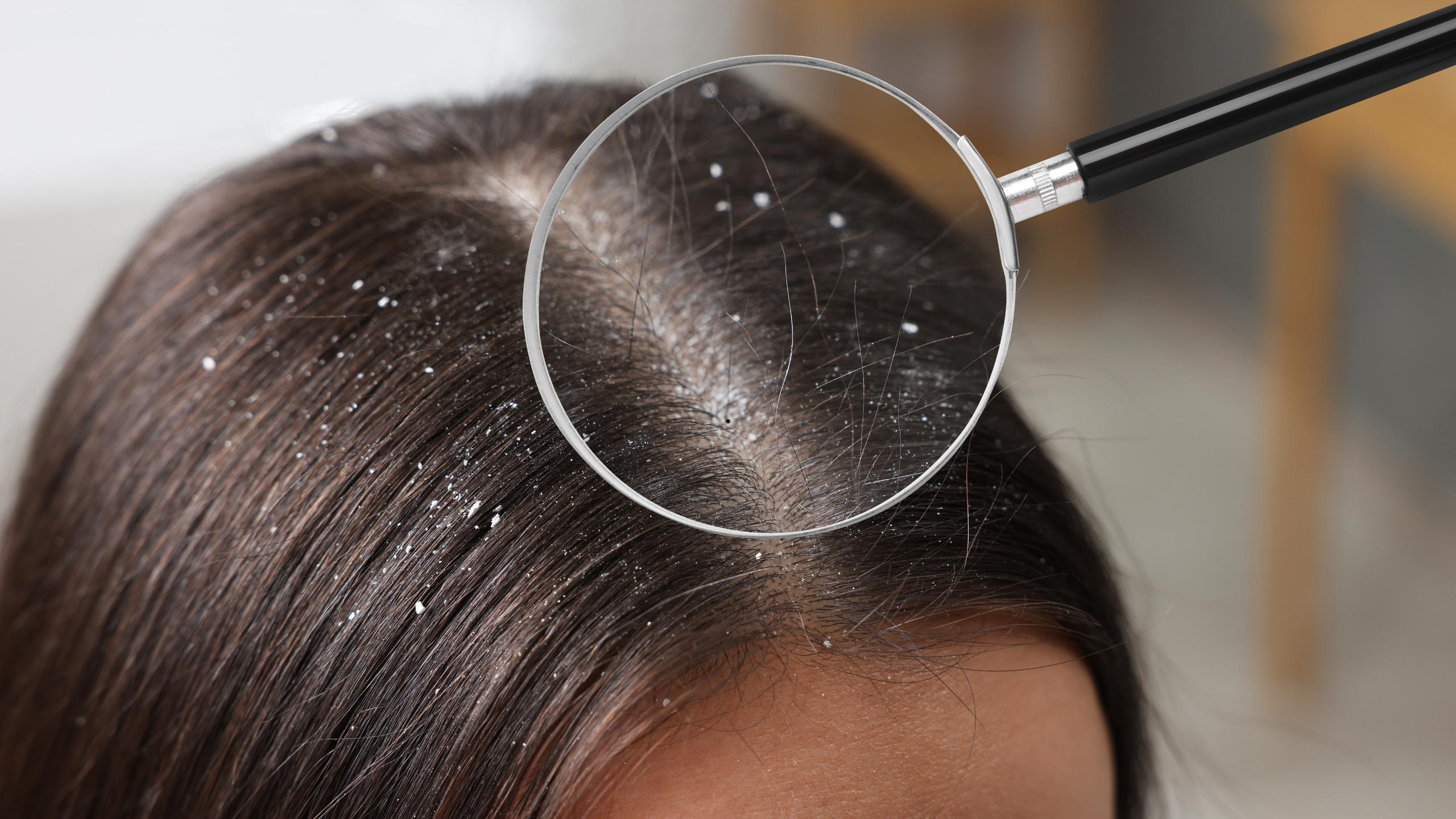
Many people confuse dandruff with dry scalp since both conditions cause itchiness and flakes. However, they are two distinct issues with different causes and treatments.
Understanding the difference is essential to choosing the right care routine for a healthy scalp. In this guide, we’ll break down the differences between dandruff and dry scalp, their causes, symptoms, and the best ways to treat each condition.
What is Dandruff?
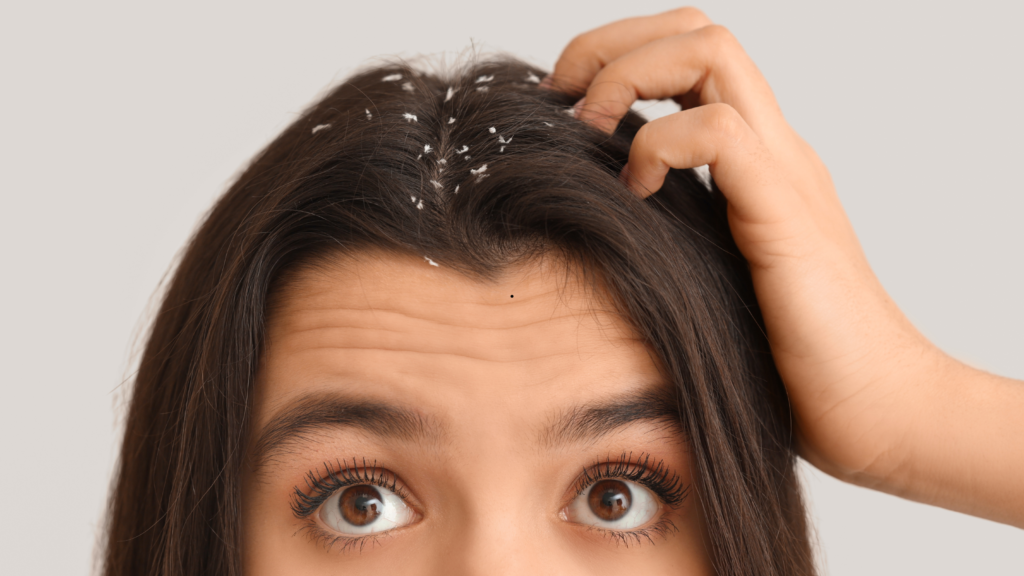
Dandruff is a common scalp condition caused by excessive oil production and the overgrowth of a yeast-like fungus called Malassezia. This condition leads to oily, large, yellowish-white flakes that shed from the scalp.
Causes of Dandruff:
- Overproduction of sebum (oil) – This creates an environment for fungus to thrive.
- Malassezia yeast overgrowth – This fungus feeds on scalp oils and triggers irritation.
- Scalp inflammation (seborrheic dermatitis) – A condition that causes redness, irritation, and flaking.
- Product buildup – Excessive use of hair products can cause oil buildup, leading to dandruff.
- Hormonal imbalances or stress – These factors can contribute to excessive oil production.
Symptoms of Dandruff:
- Oily scalp with greasy flakes
- Itchy and sometimes red scalp
- Large, yellowish or white flakes that fall on clothing
- Flakes stick to the scalp and hair
What is Dry Scalp?
A dry scalp occurs when the skin lacks sufficient moisture, leading to small, white flakes that resemble dry skin shedding. Unlike dandruff, dry scalp is not caused by excess oil but by lack of hydration.
Causes of Dry Scalp:
- Cold, dry weather – Low humidity can cause scalp dryness.
- Harsh shampoos and over-washing – Stripping natural oils can lead to dryness.
- Dehydration – Not drinking enough water affects scalp moisture.
- Skin conditions like eczema or psoriasis – These conditions can cause scalp dryness.
- Lack of natural oil production – Some people naturally have a drier scalp.
Symptoms of Dry Scalp:
- Small, dry white flakes that easily fall off
- Itchy, tight, or irritated scalp
- No excess oil or greasy buildup
- Dry skin on other areas (face, hands, etc.)
Key Differences Between Dandruff and Dry Scalp
| Feature | Dandruff | Dry Scalp |
|---|---|---|
| Flake Size | Large, oily, yellowish flakes | Small, dry, white flakes |
| Scalp Condition | Oily, greasy scalp | Dry, tight scalp |
| Itching | Common, often severe | Common, but mild to moderate |
| Flakes Stick to Hair? | Yes | No |
| Main Cause | Excess oil & fungus | Lack of moisture |
| Common in | Oily scalps | Dry scalps |
How to Treat Dandruff
Dandruff requires treatments that control excess oil and fungal growth while soothing scalp irritation.
Best Solutions for Dandruff:
✅ Use an anti-dandruff shampoo with ingredients like:
- Zinc pyrithione – Fights fungal overgrowth
- Ketoconazole – Antifungal properties
- Salicylic acid – Helps remove flakes
- Coal tar or selenium sulfide – Reduces skin cell turnover ✅ Wash hair regularly to control oil buildup. ✅ Limit styling products that contribute to buildup. ✅ Manage stress levels, as stress can trigger flare-ups. ✅ Eat a balanced diet rich in zinc and omega-3 fatty acids to support scalp health.
How to Treat Dry Scalp
Dry scalp requires hydration and nourishment to restore moisture balance.
Best Solutions for Dry Scalp:
✅ Use a moisturizing shampoo and conditioner with ingredients like:
- Aloe vera – Soothes and hydrates
- Hyaluronic acid – Retains moisture
- Coconut or jojoba oil – Helps replenish natural oils ✅ Avoid harsh shampoos with sulfates and alcohols. ✅ Reduce washing frequency to prevent stripping natural oils. ✅ Apply scalp oils (coconut, argan, or castor oil) for extra hydration. ✅ Use a humidifier in dry weather to prevent moisture loss. ✅ Stay hydrated by drinking plenty of water.
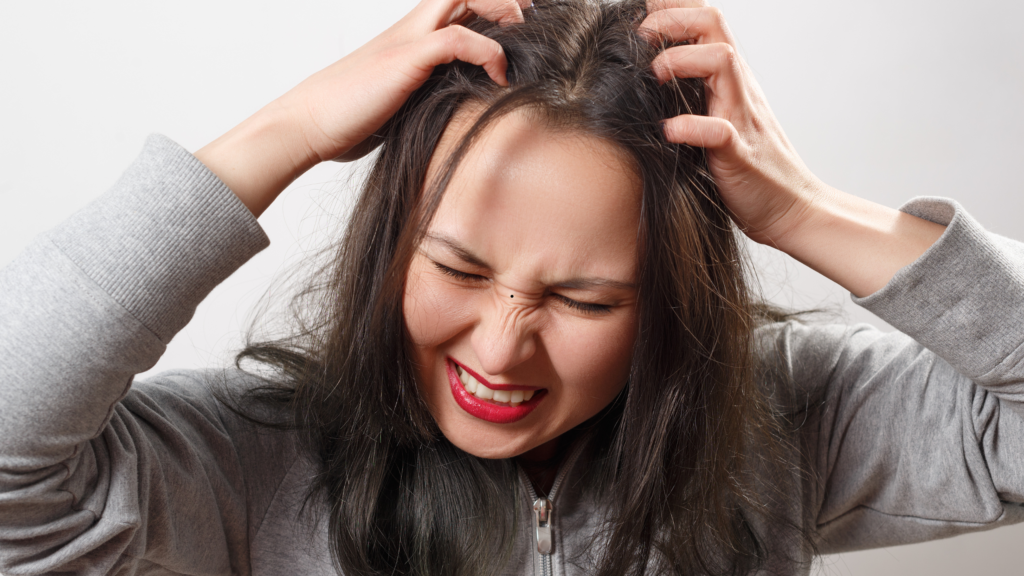
Dandruff and dry scalp may seem similar, but their causes and treatments are completely different. If your scalp is oily with large flakes, you likely have dandruff, which requires anti-fungal treatments.
If your scalp is dry with small, flaky white patches, you have dry scalp, which needs hydration and gentle care. By identifying the correct issue and using the right treatments, you can restore your scalp health and keep your hair looking its best!